Category: Confectionery

  • The Science of Gummy Bears: How Gelatin Creates the Perfect Chew

    The Science of Gummy Bears: How Gelatin Creates the Perfect Chew

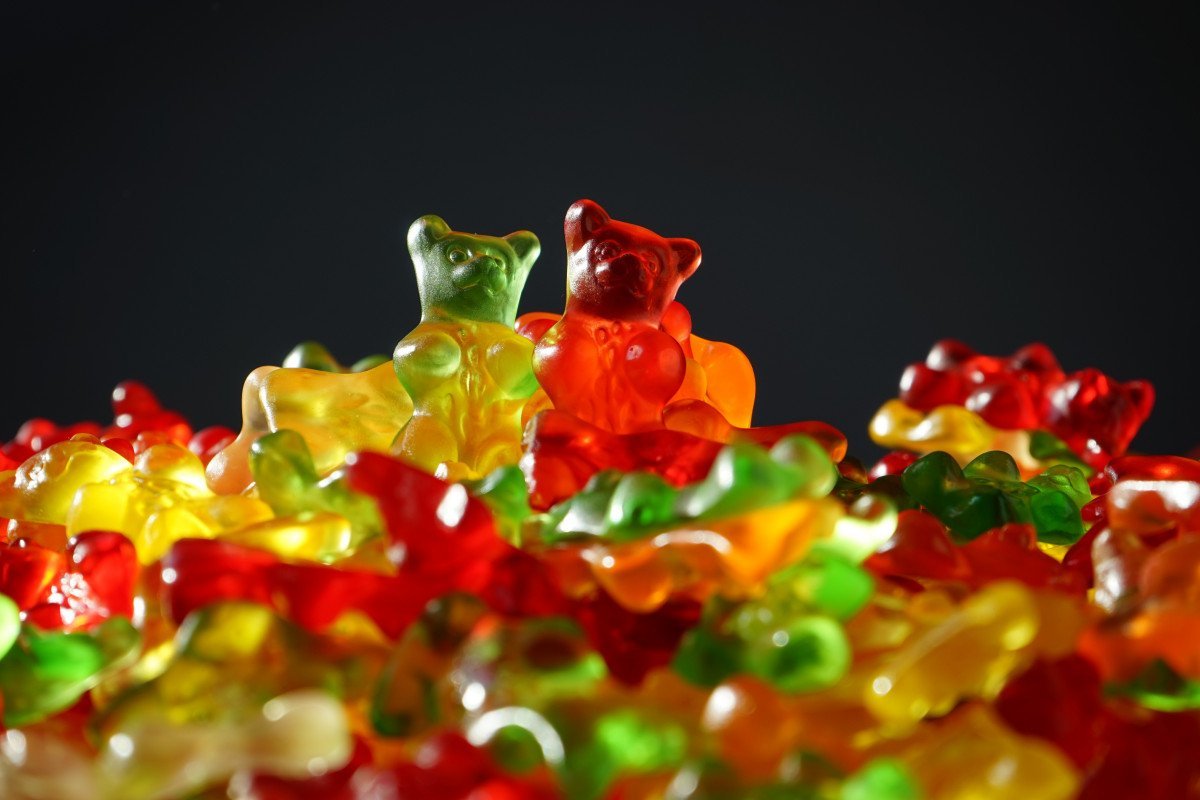
    Gummy bears, with their vibrant colors, fruity flavors, and satisfying chew, are one of the most beloved candies worldwide. These chewy treats are a favorite among both children and adults, and their unique texture is what sets them apart from other candies. But what is it that makes gummy bears so chewy? The answer lies in the science behind the key ingredient: gelatin. In this article, we’ll explore how gelatin creates the perfect chew for gummy bears and dive into the fascinating process of their creation.

    1. What is Gelatin?

    Gelatin is a protein derived from animal collagen, which is found in the connective tissues, skin, and bones of animals. It’s made by boiling animal parts, such as pig or cow skin, in water to extract the collagen. This collagen is then purified and dried into a powder or sheets, which can later be dissolved in liquid to form a gel-like consistency.

    Gelatin is unique because it has the ability to absorb large amounts of water and form a gel when it cools. This gel formation is what gives gummy bears their chewy texture and allows them to hold their shape. The process of making gummy bears is largely centered around manipulating the gelatin to create the desired consistency and texture.

    2. The Role of Gelatin in Gummy Bears

    The texture of a gummy bear is primarily determined by the gelatin concentration in the candy. Gelatin works by forming a network of long protein strands when dissolved in hot liquid. As the mixture cools, these protein strands intertwine, trapping water and other ingredients inside, which results in the firm but elastic texture we recognize in gummy candies.

    • Gelatin as a Gelling Agent: When gelatin is mixed with water, it forms a hydrocolloid gel, which gives gummy bears their signature chewy consistency. The amount of gelatin used affects how firm or soft the gummies will be. More gelatin creates a firmer gummy, while less gelatin results in a softer, more elastic chew.
    • Chewy Texture: The gelatin’s ability to absorb and retain water helps maintain the moisture balance in gummy bears, contributing to their soft and chewy texture. When you bite into a gummy bear, the gelatin forms a flexible, bouncy network that provides resistance as you chew, which is the defining characteristic of gummies.

    3. The Process of Making Gummy Bears

    Making gummy bears involves several key steps, with gelatin playing a central role at each stage.

    • Heating the Ingredients: The process starts by heating a mixture of sugar, corn syrup, water, and gelatin. The gelatin is dissolved in the water and heated until it fully melts into the liquid, creating a smooth mixture. The sugar and corn syrup provide sweetness and additional texture, while the water helps create the gummy bear’s moisture content.
    • Flavor and Color: Once the gelatin mixture is ready, flavorings, fruit juices, and food coloring are added to give the gummies their characteristic taste and appearance. These ingredients contribute to the fruity, sweet flavors that we associate with gummy bears.
    • Molding: The liquid mixture is then poured into silicone molds shaped like gummy bears. The molds are filled with the warm, liquid candy mixture, which then begins to cool and set as the gelatin forms a gel.
    • Cooling and Setting: The molds are left to cool for several hours, during which time the gelatin solidifies and takes on its chewy texture. The cooling process allows the gelatin to form a strong network, which helps the gummy bears retain their shape and texture.

    4. Gelatin’s Role in the Gummy Bear’s Elasticity

    Gelatin’s ability to create elasticity is crucial in making gummy bears appealing. Elasticity refers to the gummy bear’s ability to stretch and return to its original shape, which gives the candy its “bounce” when chewed.

    The gelling process is what gives gummy bears the flexibility to bend and stretch. When you chew a gummy bear, the gelatin network flexes, allowing the candy to deform, but it quickly returns to its original shape once the pressure is released. This elastic characteristic is a result of the long protein chains in gelatin that create a mesh-like structure, offering both resilience and chewiness.

    5. The Role of Other Ingredients

    While gelatin is the star ingredient responsible for the chewy texture, other components also contribute to the final product.

    • Sugar and Corn Syrup: These ingredients not only provide sweetness but also affect the texture of the gummy bears. Corn syrup helps prevent crystallization of sugar, making the final gummy smooth and not gritty. Sugar also plays a role in maintaining the softness of the gummy bear.
    • Acids: Citric acid or tartaric acid is often added to the gummy mixture to provide tartness, balancing the sweetness and enhancing the fruity flavor. The acidity also interacts with the gelatin, influencing the texture and firmness of the gummies.
    • Flavorings and Colorants: Natural or artificial flavorings are used to give gummy bears their signature fruity tastes, while food colorings are added to create the vibrant, colorful appearance of the candies.

    6. The Texture Profile: How to Achieve the Perfect Chew

    The perfect chewiness of a gummy bear is achieved through a precise balance of gelatin and other ingredients. The texture can be adjusted based on the amount of gelatin used in the mixture, the cooling process, and even the addition of certain acids.

    • Firmness vs. Softness: By altering the gelatin concentration, manufacturers can create different textures. If the gelatin content is higher, the resulting gummy will be firmer and more resistant to breaking, creating a more substantial chew. Lowering the gelatin concentration results in a softer, more elastic texture.
    • Elasticity and Bounciness: A key part of the chewy experience is how the gummy bounces back after being stretched. The longer the gelatin chains, the more elastic the candy will be. This balance between firmness and elasticity is what makes gummy bears enjoyable to eat—they have a perfect balance of resistance and bounce.

    7. Vegan Alternatives to Gelatin

    In recent years, with the growing demand for plant-based products, vegan gummy bears have gained popularity. Vegan gummy bears are made using agar-agar or pectin as a substitute for gelatin. Agar-agar, a substance derived from seaweed, forms a gel when combined with water, while pectin is a natural gelling agent found in fruits like apples and citrus. These alternatives mimic the texture of traditional gelatin-based gummies but are suitable for those following a vegan diet.

    While the texture of vegan gummy bears may differ slightly—being less elastic and more jelly-like—these alternatives still provide a chewy, enjoyable experience.

    8. Conclusion

    The chewy, bouncy texture of gummy bears is thanks to the unique properties of gelatin, which creates a gel-like structure that forms the basis of the candy’s elasticity and chewiness. From the moment gelatin is dissolved in hot liquid to the final cooling process, it plays an essential role in shaping the texture and overall quality of gummy bears. Along with other ingredients like sugar, corn syrup, and flavorings, gelatin ensures that gummy bears maintain their signature chewy appeal, making them a timeless treat that continues to delight candy lovers around the world.
  • From Cocoa to Candy: How Chocolate Bars Are Made

    From Cocoa to Candy: How Chocolate Bars Are Made

    Chocolate bars are one of the most beloved and indulgent treats enjoyed by people of all ages. Behind the smooth, sweet taste of a chocolate bar lies a fascinating process that transforms the raw cocoa bean into a delicious, melt-in-your-mouth candy. From harvesting cocoa beans to packaging the final product, the journey of making a chocolate bar is a meticulous and artful one. In this article, we’ll explore the step-by-step process of how chocolate bars are made, from cocoa to candy.

    1. Harvesting the Cocoa Beans

    The journey to making chocolate begins in the cocoa farms of tropical regions, primarily in West Africa, South America, and Southeast Asia, where cocoa trees grow. Cocoa beans are the seeds of the Theobroma cacao tree, and their quality and flavor are influenced by the conditions in which they are grown.

    The process starts with the harvest of cocoa pods, which grow on the trunks of the trees. Harvesting cocoa pods is done by hand, typically using machetes or knives to carefully cut the pods from the tree. Each pod contains 30-50 cocoa beans surrounded by a white, sweet-tasting pulp. Once harvested, the pods are cracked open to extract the beans.

    2. Fermentation: Developing Flavor

    After the beans are removed from the pods, they go through a crucial process called fermentation. The cocoa beans are placed in shallow containers, such as wooden boxes or banana leaves, and left to ferment for about 5-7 days. During fermentation, the beans undergo chemical changes that begin to develop their flavor. The natural sugars inside the beans break down, and the beans lose their bitter taste, gradually becoming more palatable. Fermentation also removes the excess moisture in the beans, which is important for the next stages of processing.

    Fermentation is a critical step because it contributes to the unique flavors that each batch of cocoa beans will impart to the finished chocolate. Beans that are fermented improperly may result in chocolate that is flat or sour in taste.

    3. Drying and Roasting the Cocoa Beans

    Once fermentation is complete, the beans are spread out under the sun to dry. This drying process typically takes about 1-2 weeks and helps reduce the moisture content of the beans to around 7%. The beans are regularly turned to ensure they dry evenly.

    After the beans are thoroughly dried, they are roasted to enhance their flavor. Roasting is done at high temperatures, typically between 250-350°F (120-175°C), and it brings out the deep, rich flavors that are characteristic of chocolate. Roasting also loosens the shells of the beans, making it easier to remove them in the next step.

    The roasting process plays a significant role in developing the final flavor of the chocolate, and the specific roasting technique used can affect the taste. Dark roasts produce stronger, bolder flavors, while lighter roasts create more subtle, delicate notes.

    4. Cracking and Winnowing: Separating the Beans

    After roasting, the cocoa beans are cracked open to remove their shells. The outer shell is tough and bitter, while the inner portion, known as the nib, is the edible part of the bean. The nibs are rich in cocoa solids and cocoa butter, the two essential components that make chocolate.

    To separate the nibs from the shells, the beans are passed through a process called winnowing, which uses a combination of mechanical cracking and airflow. This process breaks the beans into small pieces, called nibs, while the lighter shell fragments are blown away.

    At this point, the nibs are ready to be turned into chocolate, and they contain all the essential flavors and fats needed for chocolate production.

    5. Grinding the Cocoa Nibs

    The cocoa nibs are then ground into a thick paste called chocolate liquor (despite the name, this does not contain any alcohol). During grinding, the friction generates heat, causing the cocoa nibs to release their cocoa butter, which helps turn the paste into a smooth, thick liquid.

    The chocolate liquor consists of cocoa solids (which provide the chocolate’s flavor) and cocoa butter (which gives the chocolate its creamy texture). The ratio of cocoa solids to cocoa butter determines the type of chocolate being produced. For example, dark chocolate has a higher percentage of cocoa solids, while milk chocolate contains more sugar and milk powder.

    6. Conching: Refining the Texture

    After the chocolate liquor is created, it undergoes a process called conching, where it is continuously mixed and aerated in a machine known as a conche. This step can last anywhere from several hours to a few days, depending on the desired texture and flavor.

    Conching helps smooth the chocolate and refine its texture by breaking down any remaining cocoa particles, making the chocolate finer and creamier. It also helps develop the chocolate’s flavor by allowing the cocoa solids and cocoa butter to blend together harmoniously. During this process, additional ingredients such as sugar, milk powder, and vanilla may be added to the chocolate mixture, depending on the type of chocolate being produced.

    7. Tempering: Creating the Perfect Shine and Snap

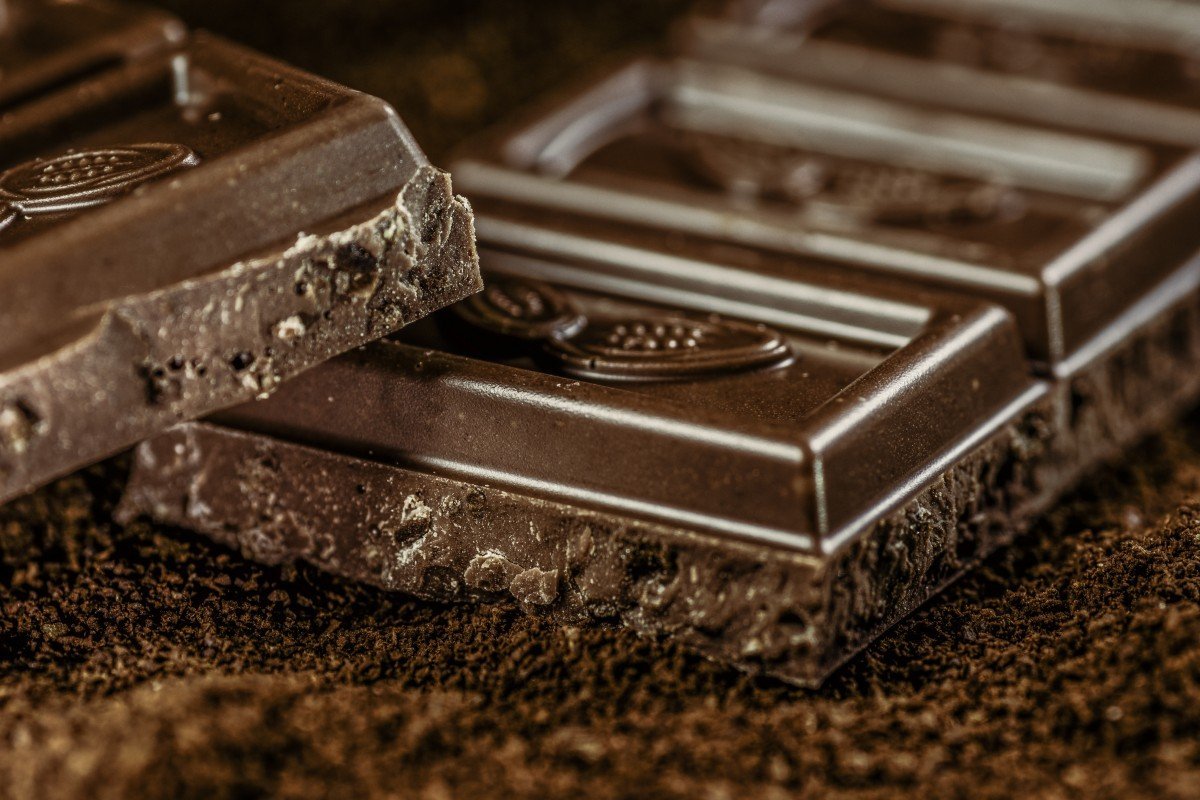
    Once the chocolate has been conched, it undergoes a crucial step called tempering. Tempering involves cooling and reheating the chocolate to specific temperatures to ensure the cocoa butter crystals are properly aligned. This process is important because it gives the chocolate its glossy finish and ensures that it sets with a perfect snap when broken.

    Proper tempering is essential for achieving the smooth texture, shiny appearance, and firm consistency that people expect from high-quality chocolate. When done correctly, tempered chocolate will harden evenly and resist melting at room temperature.

    8. Molding and Cooling

    After the chocolate has been tempered, it is poured into molds to create the shape of chocolate bars. The molds are vibrated to remove air bubbles and ensure that the chocolate settles into every crevice. At this stage, additional ingredients like nuts, fruits, or caramel may be added, depending on the type of chocolate bar being made.

    Once the chocolate has been poured into molds, it is cooled and allowed to set. This process solidifies the chocolate, giving it its final texture and form. Cooling can take place in a refrigerated environment, ensuring the chocolate sets quickly and evenly.

    9. Packaging: Ready for the Market

    Once the chocolate has fully set and hardened, the final step is packaging. The chocolate bars are removed from the molds, wrapped, and sealed to protect them from moisture and air, ensuring they stay fresh until they reach the consumer. Packaging often includes branding and labeling, which showcases the ingredients and origin of the chocolate, giving consumers information about the chocolate’s quality and source.

    Some high-end chocolate brands also include certifications, such as Fair Trade or organic, which indicate that the cocoa beans were sourced ethically and sustainably.

    Conclusion

    The process of making chocolate bars is an intricate and careful journey that transforms humble cocoa beans into the smooth, delectable treats we love. From the initial harvest of the cocoa pods to the final packaging of the chocolate bars, each step plays a vital role in shaping the flavor, texture, and quality of the finished product. Whether it’s dark, milk, or white chocolate, the mastery of cocoa fermentation, roasting, grinding, conching, and tempering results in a mouthwatering confection that has delighted generations and will continue to do so for years to come.